
Brain Injury Lawyer California: Statewide Help After a Crash Head Injury
A brain injury lawyer in California helps you prove a head injury from a car, truck, motorcycle, pedestrian, bicycle or rideshare crash and pursue the full cost of your care. Moe Abdallah takes these cases himself, works with you anywhere in the state by phone, text and email, and charges no fee unless he wins.
A brain injury can leave you looking fine while your life changes. Headaches, lost words, short temper, trouble at work. If you are searching for a california brain injury attorney, this page explains what the medical sources say about crash head injuries, how to document changes in thinking and memory, why insurers push back, and which deadlines apply. Moe Abdallah Law, P.C. takes brain injury cases only when the injury came from a motor-vehicle crash. Moe works with clients in California by phone, text and email. His office is in downtown Los Angeles, and you never have to come in to hire him. He handles every case himself. The review is free, Se Habla Español, and you pay no fee unless we win. This page gives legal information, not medical advice. Your doctor decides your care.
What a California brain injury lawyer does, and the crash cases Moe takes
Moe takes cases for people who suffered a traumatic brain injury in a motor-vehicle crash, and for families of people who died of one. That covers car, truck, motorcycle, pedestrian, bicycle and rideshare crashes. He does not take brain injury claims that come from anywhere else. A fall in a store, a medical error, a workplace accident or a defective product is outside his practice, and he will say so on the first call so you can look for the right help. What a brain injury lawyer does in a crash case is a mix of paperwork and pressure. He collects the crash report, the ambulance and emergency room records and the follow-up care. He finds every insurance policy that could pay. He deals with the adjusters so you do not have to answer questions while you are foggy and tired. And he builds the proof that a head injury is real when the other side says it is not. The work does not depend on where you live. A driver hurt on a Central Valley highway, a cyclist hit near a Bay Area campus or a family in the Inland Empire can all start the same way: a free call, a short story of what happened and a plan for the next few days. Moe's only office is in downtown Los Angeles, and he does not run offices anywhere else. Records, photos and signatures move by email and text. You speak with Moe, not a call center. He does not promise visits to your home or your hospital room, and the case does not need them.
Answer 3 quick questions and Moe will call you, free. No fee unless we win.
Prefer to talk? Call (323) 716-1992, 24/7.
From concussion to severe TBI: what the medical sources say
The word brain injury covers a wide range, so it helps to use the same words doctors use. The National Institute of Neurological Disorders and Stroke (NINDS) says a traumatic brain injury, or TBI, is caused by an outside force. A forceful bump, blow or jolt to the head or body can cause it, though not every blow results in a TBI. NINDS lists motor vehicle crashes among the causes of the non-penetrating type, which happens when a force is strong enough to move the brain inside the skull. The CDC says most TBIs each year are mild TBIs or concussions. It describes the cause as a bump, blow or jolt to the head, or a hit to the body that makes the head and brain move quickly back and forth. It also says doctors call these injuries mild because they are usually not life-threatening, and that their effects can still be serious. At the other end are moderate and severe injuries. NINDS says the damage usually seen from a TBI includes bleeding, swelling and tearing that injures nerve fibers. It names diffuse axonal injury, widespread damage to the brain's white matter, as one of the most common types, and says it commonly happens in auto accidents. It also says contusions, which are bruising or swelling of the brain, can appear after a delay of hours to a day, and can happen when the head abruptly decelerates, as in a high-speed car crash. More serious injuries, NINDS says, can lead to severe and permanent disability. A legal claim does not turn on the label. Two people with the same diagnosis can end up in very different places, and a case is valued on what the injury did to your health, your work and your daily life.
Symptoms that arrive late, and why the first medical record matters
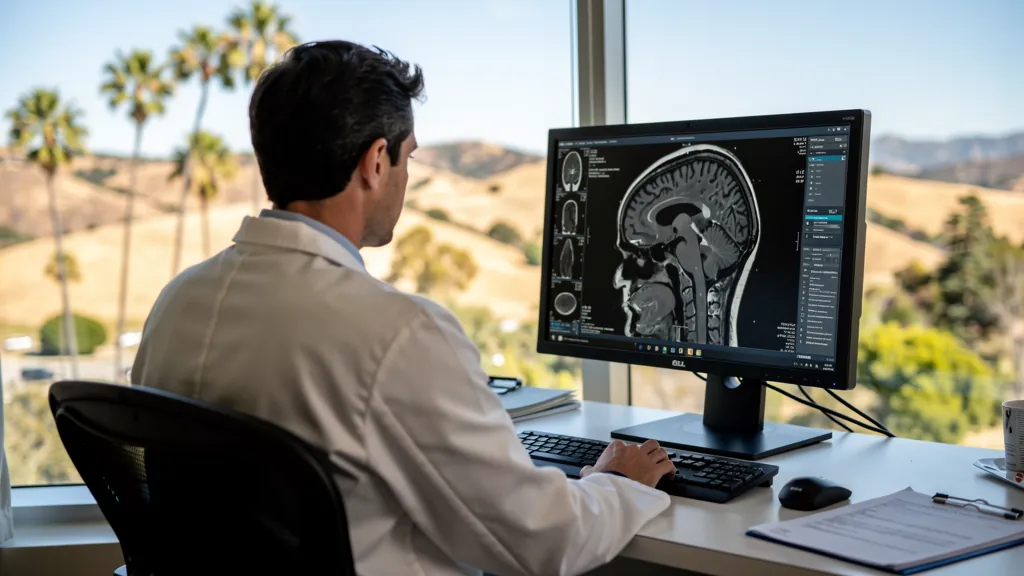
Many people leave the scene saying they are fine. The CDC explains why that statement proves little. Some mild TBI and concussion symptoms may appear right away, while others may not appear for hours or days after the injury. NINDS adds that headache, dizziness, confusion and fatigue tend to start immediately, while emotional symptoms such as frustration and irritability tend to develop during recovery. The CDC groups symptoms by how they show up. Physical signs include headaches, dizziness or balance problems, vision problems and being bothered by light or noise. Thinking and memory signs include trouble concentrating, feeling foggy or slowed down, and problems with short or long term memory. Emotional signs include irritability, anxiety and sadness. Sleep can change in either direction. The CDC lists danger signs that call for an emergency room right away, including a headache that gets worse and does not go away, repeated vomiting, seizures, slurred speech, and one pupil larger than the other. The CDC says to call 911 or go to an emergency department right away if any of them appear. Do not read this page first. The legal point is simple. An insurer reads a gap in treatment as proof that you were not hurt. A first medical record made soon after the crash, followed by notes each time a new problem appears, ties the symptoms to the crash. The CDC says people with a suspected mild TBI or concussion need to be seen by a healthcare provider and that getting care can help speed recovery. Moe does not give medical advice. He asks one question on the first call: have you been checked? If not, he will tell you to get seen, and the legal work follows from there.
How to document changes in thinking and memory
A brain injury shows up in daily life before it shows up in a courtroom. The CDC notes that a person may not see or admit they are having problems, and that problems can be overlooked by the patient, by family members or by a provider. That is why the people around you matter. Start a plain daily note on your phone. Write the date and what went wrong: a missed appointment, a word you could not find, a headache that stopped you from working, a night of poor sleep, a moment you snapped at someone and did not know why. Keep it short and honest. Do not guess at causes or diagnoses. A doctor can read the same notes and see patterns you cannot. Ask a spouse, a parent, a friend or a coworker to write down what they notice, with dates. Family often sees the change in personality first. Keep work records too: missed shifts, reduced hours, a performance review that changed, a boss who moved you to lighter duties. Save texts and emails that show you losing track of details, and save the calendar entries and bills that show what you used to handle with ease. Tell every provider about the crash and about each new symptom, and go to your follow-up visits. The CDC says providers may test learning, memory, concentration and solving problems, and that these neuropsychological tests can help identify the effects of a mild TBI. Your own notes give those results a story. Moe asks for them early, because they show how the injury changed a real life, not just a chart.

When the scan looks normal but you still feel wrong
One of the most common insurer lines is that the CT scan was clear. Medical sources are more careful than that. The CDC says a CT scan is not needed to spot a mild TBI or concussion, though it may be used for patients at risk of bleeding on the brain. It also says that even if the injury does not show up on neuropsychological tests, you may still have a mild TBI or concussion. NINDS explains the technology side. It says CT imaging can show a skull fracture and any brain bruising, bleeding or swelling, and that MRI is more sensitive and can pick up more subtle brain changes that a CT may miss. It also says that, even with advances in imaging, currently available and clinically validated imaging technologies, blood tests and other measures cannot always detect damage from mild, concussive injuries. NINDS says neuropsychological tests are often used along with imaging in people who have suffered a mild TBI. What this means for your claim is that a normal scan does not close the case, and an adjuster who says it does is arguing, not diagnosing. Proof in these cases comes from several places: the emergency room chart, the treating doctors, any testing they order, the timeline of symptoms, and the witnesses to how you changed. Moe does not decide whether you have a brain injury. Your doctors do. His job is to make sure the insurer cannot ignore what they find. Insurers also hunt for a prior cause. If you had migraines, anxiety or an old concussion, expect a request for a broad medical release. Moe reviews those requests before you sign anything.
Long-term care, lost earning power and what a claim can cover
A crash brain injury claim is about the whole life ahead, not only the emergency room bill. NINDS says that after the hospital, people with severe TBI are often transferred to a rehabilitation center, where a team may include neurologists, nurses, psychologists, physical, occupational, vocational and speech therapists. It says therapy can address cognitive, physical, occupational and emotional difficulties, and may be needed on a short or long term basis. It also describes cognitive rehabilitation therapy, an individualized training program that helps people cope with persistent memory and thinking problems. Every item on that list can have a cost, and the claim has to account for it. Past medical bills come first. Then the future care your doctors say you will need, which can include therapy, medication, follow-up testing and, in the most serious cases, in-home help. Then lost income and, if the injury limits the work you can do, lost earning capacity. Then the human losses: pain, emotional distress and the ways the injury changed your relationships and your days. This page does not put a dollar figure on any of it. In Moe's view, no one can before the medical picture settles, and settling too early can be a costly mistake in these cases. An early offer arrives before anyone knows what recovery will look like. Moe usually waits for your doctors to say where you are, and may work with a life care planner or a vocational evaluator when the injury is serious. Past results do not promise a similar outcome, and he will not predict one for you.
Insurance limits, hit-and-run drivers and your own coverage
California requires drivers to carry only modest liability insurance. For policies issued or renewed on or after January 1, 2025, the state minimums are $30,000 per person and $60,000 per accident for injury or death, plus $15,000 for property damage (Veh. Code § 16056). A serious brain injury can cost far more than that. So the search for money does not stop at the at-fault driver's first policy. Moe looks at any other coverage on the vehicle, an employer's policy if the driver was working, a rideshare company's policy if the driver was on a trip, and your own household coverage. Your own policy matters when the other driver has no insurance, too little, or drives away. Under Ins. Code § 11580.2, California auto policies with bodily-injury coverage must include uninsured and underinsured motorist coverage unless you agreed in writing to remove or reduce it. Underinsured coverage does not apply until the at-fault driver's liability limits are paid, and the insurer's limit is reduced by what that driver's insurance paid. If the driver fled and cannot be found, the same law treats the vehicle as uninsured only if three things are true. The injury arose from physical contact. The crash was reported within 24 hours to city police, or to the sheriff or CHP in unincorporated areas. And a sworn statement was filed with your insurer within 30 days. A person with a head injury may not be thinking clearly enough to do any of that, which is why a family member should make the report, and why you should call Moe early. Fault is the other fight. California follows pure comparative negligence, so you can recover even if you were partly at fault, and your award is reduced by your share (Li v. Yellow Cab Co. (1975) 13 Cal.3d 804).
Deadlines, brain injury and the rules that can change them
California gives you two years from the date of the injury to sue a private party for personal injury (Code Civ. Proc. § 335.1). That clock usually starts on the day of the crash. Brain injury symptoms can be delayed, so the deadline can approach before you understand how serious the injury is. Do not treat two years as a date to aim for. Evidence, video and witness memories fade long before it. If a public entity or public employee caused the crash, such as a city bus, a county truck or a badly maintained public road, the rules are tighter. You must first present a written government claim within six months (Gov. Code § 911.2). If the entity rejects it in writing, you generally have six months from that notice to file suit (Gov. Code § 945.6). If you miss the six-month claim window, you can apply for leave to present a late claim, but the application must come within one year (Gov. Code § 911.4). Brain injury can change the calculation. If an injured person lacked the legal capacity to make decisions when the claim arose, that time may not count toward the two-year limit (Code Civ. Proc. § 352(a)). That tolling does not apply to claims against public entities or employees (§ 352(b)). When counting the one-year late-claim window, time during which the person was mentally incapacitated and had no guardian or conservator is not counted (Gov. Code § 911.4(c)(1)). Do not rely on any of these exceptions. Whether one applies depends on the facts, and a court decides. Capacity also affects how a case ends. A person who cannot understand the proceeding or help counsel must appear through a guardian, a conservator or a guardian ad litem, and a settlement of that person's claim needs court approval (Code Civ. Proc. § 372(a)).
How a family works with Moe from anywhere in California
The first step is a call or a text. There is no charge, and Moe is available 24 hours a day. Tell him what happened, where you or your family member is being treated and whether an insurance adjuster has already called. You do not need a police report number to start. If the injured person cannot talk, a spouse, parent or adult child can make the first call. In the first days, Moe requests the crash report from the CHP or the local police agency that wrote it, identifies the insurers and sends notice so evidence is kept. You send photos, medical bills, insurance cards and your daily notes by phone or email. Signatures can be handled electronically. You are not asked to travel to Los Angeles. As treatment goes on, Moe keeps in touch by call and text so you know where things stand. He deals with the adjusters, so you do not repeat your story to strangers, and he tells you before filing a lawsuit and explains the court process in plain words. Moe handles every case himself, so the lawyer who takes your first call is the lawyer working your claim. The fee is a contingency fee. You pay no fee unless we win. If a crash anywhere in California left you or someone you love with a head injury, call (323) 716-1992. Se Habla Español.
Where Moe works with clients
The office is in downtown Los Angeles. Moe works with clients everywhere else in California by phone, text and email. Pages for specific areas:
Los Angeles County
Sacramento
Hurt in Los Angeles? See the Los Angeles brain / catastrophic injury page.
Frequently Asked Questions
Yes. Moe works with clients anywhere in California by phone, text and email. His office is in downtown Los Angeles, and you never have to travel there to hire him. Records, photos and signatures move electronically, and you speak with Moe himself. He does not promise home or hospital visits.
No. Moe takes brain injury cases only when a motor-vehicle crash caused the injury, whether in a car, truck, motorcycle, pedestrian, bicycle or rideshare crash. He does not take falls, medical errors, workplace injuries or product cases, and he will tell you so on the first call.
Possibly. The CDC says a CT scan is not needed to spot a mild TBI or concussion, and NINDS says current imaging cannot always detect damage from mild, concussive injuries. Your doctors decide what you have. Moe builds the claim around their findings.
It varies. The CDC says some mild TBI symptoms appear right away, while others may not appear for hours or days. NINDS says emotional symptoms such as irritability tend to develop during recovery. If something feels wrong at any point, see a healthcare provider and tell them about the crash.
Keep a dated daily note, ask family or coworkers to write what they see, save work records and messages, and attend every follow-up visit. Tell each provider about new symptoms. These records give the medical findings a real-life story, and Moe asks for them early.
Usually two years from the crash against a private party (Code Civ. Proc. § 335.1). If a public entity is responsible, a written claim must be presented within six months (Gov. Code § 911.2). Limited exceptions exist for people who lack decision-making capacity, but do not count on them.
Yes. California follows pure comparative negligence, so your award is reduced by your percentage of fault instead of being barred (Li v. Yellow Cab Co. (1975) 13 Cal.3d 804). Do not give an insurer a recorded statement about the crash or your symptoms before you talk to a lawyer.
Your own uninsured motorist coverage may apply if there was physical contact, the crash was reported within 24 hours to the police, sheriff or CHP, and a sworn statement went to your insurer within 30 days (Ins. Code § 11580.2). A family member can help with these steps. Call Moe quickly.
Nothing up front. Moe works on a contingency fee, so you pay no fee unless we win. The case review is free, available 24/7, and Se Habla Español. Ask Moe on the first call how costs are handled so there are no surprises.
No. Moe represents people hurt in motor-vehicle crashes anywhere in California. Most of the work happens by phone, text and email, so you never have to come to the downtown Los Angeles office. The case review is free, and you pay nothing unless we win.
More statewide help
Authoritative resources: California Courts, self-help for injury claims · Cal. Code Civ. Proc. § 335.1, 2-year deadline · California DMV · California Office of Traffic Safety, crash data
Sources & local resources
- About Mild TBI and Concussion · Centers for Disease Control and Prevention
- Symptoms of Mild TBI and Concussion · Centers for Disease Control and Prevention
- Traumatic Brain Injury (TBI) · National Institute of Neurological Disorders and Stroke
- Code of Civil Procedure § 335.1 · California Legislative Information
- Code of Civil Procedure § 352 · California Legislative Information
- Code of Civil Procedure § 372 · California Legislative Information
- Government Code § 911.2 · California Legislative Information
- Government Code § 911.4 · California Legislative Information
- Government Code § 945.6 · California Legislative Information
- Insurance Code § 11580.2 · California Legislative Information
- Vehicle Code § 16056 · California Legislative Information
Talk to Moe Abdallah directly
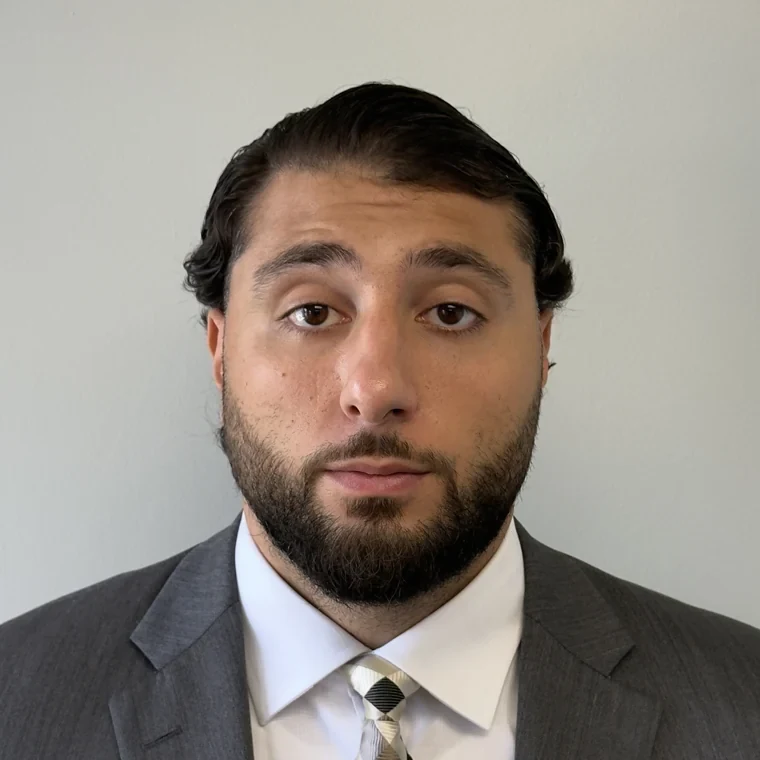
When you call Moe Abdallah Law, you work directly with your attorney and get straight answers, not a call center. Moe takes on the insurance companies and fights for the maximum, and he keeps you updated at every step. The consultation is free and you pay nothing unless he wins.
Real recoveries for real clients
Real recoveries from an attorney who takes your case personally and fights for the maximum.
T-boned by a driver who ran a red light, blacked out, and had a seizure at the hospital. The at-fault driver staged fake witnesses; Moe tracked down the real ones, flipped liability, and won the full policy limit.
A passenger rear-ended on the highway with back and neck injuries on top of a pre-existing condition. Moe argued the crash severely worsened it and secured the full policy limit.
Past results do not guarantee a similar outcome. Every case is different and depends on its own facts.
Talk to a lawyer today, free
Tell us what happened. We respond fast, usually within the hour, and there's no fee unless we win. Available 24/7 · Se Habla Español.
Hurt anywhere in California? Moe works with clients statewide by phone and email, so you never have to come to LA.
Call (323) 716-1992