
Uber and Lyft Accident Lawyer California: Statewide Help After a Rideshare Crash
An Uber accident lawyer in California helps you find which insurance policy applies after a rideshare crash and pursues the driver, the company and any other at-fault party for your injuries. Moe Abdallah takes Uber and Lyft cases himself, works with clients anywhere in the state, and charges no fee unless he wins.
A rideshare crash puts more insurers in the room than an ordinary wreck. The driver has a policy, the app company has coverage that changes with what the app was doing, and you may have your own policy too. If you are searching for a lyft accident lawyer california or an uber accident attorney california, this page explains how that coverage works under state law, how your role in the crash changes your claim, what proof the app holds, and what to do first. Moe Abdallah Law, P.C. takes rideshare cases only when a person was physically hurt, or killed, in a motor-vehicle crash. Moe works with clients anywhere in California by phone, text and email. His office is in downtown Los Angeles, and you never have to come in to hire him. He handles every case himself. The review is free, Se Habla Español, and you pay no fee unless we win.
The Uber and Lyft cases Moe takes, wherever you live in California
Moe takes cases for people who were hurt in a crash involving an Uber or Lyft car, and for families who lost someone in one. You might have been riding in the back seat. You might have been driving another car that the rideshare driver hit, walking in a crosswalk, riding a bicycle or a motorcycle, or sitting in the rideshare car yourself as the driver. He does not take property-damage-only claims, workplace injury claims, product-defect cases or premises cases. If all you lost was a damaged car, he will tell you that on the first call. The work does not depend on your zip code. A passenger hurt after a night out in San Diego, a driver hit by a Lyft on a Sacramento street or a family hurt on the way to an airport in the Bay Area can all start the same way: a free call, a short account of what happened and a plan for the next few days. Moe works with clients anywhere in California by phone, text and email, and his office is in downtown Los Angeles. He does not run an office anywhere else. Photos, bills, records and signatures can move by phone and email, and you will talk to Moe, not a call center. Rideshare insurers move fast. An adjuster may call you in the hospital, sound friendly and ask for a recorded statement. You can say you have a lawyer and send every call to Moe.
Answer 3 quick questions and Moe will call you, free. No fee unless we win.
Prefer to talk? Call (323) 716-1992, 24/7.
What an Uber accident lawyer in California does after a rideshare crash
The first job is sorting out who owes what. A rideshare claim is not one claim against one policy. It is a set of possible claims, and the right ones depend on facts you may not know yet: whether the app was on, whether a ride had been accepted, whether a passenger was in the car, and who caused the crash. Moe starts by finding the policies. That means the coverage the rideshare company must carry under state law, any policy the driver bought for rideshare use, the driver's personal auto policy if it applies, the other driver's policy if someone else caused the wreck, and your own uninsured and underinsured motorist coverage. Then he looks at who made the choices that led to the crash, and he asks the company and the driver to keep the records that show it. Next comes the medical side. Moe wants your treatment to run its course before anyone talks about a number, because an early offer is a bet that your injuries will stay small. A settlement ends the claim for good. He lays out the bills and the lost income, explains where the case stands by call and text, and tells you before any lawsuit is filed. Rideshare insurers handle these claims all the time. You should have someone on your side who does too, and who answers the phone himself.
The three app phases and what each one pays
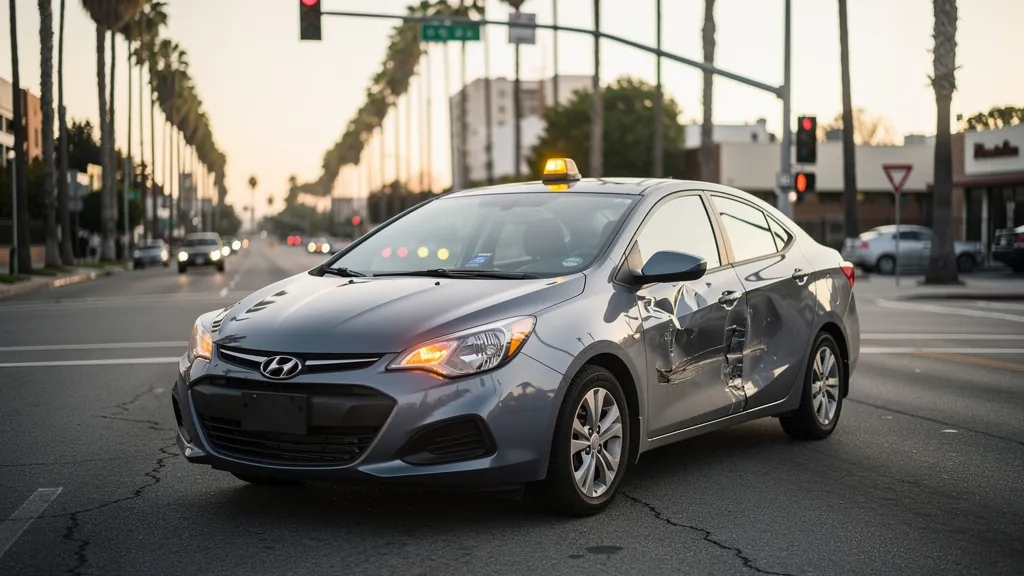
California regulates rideshare companies, which the law calls transportation network companies, in Article 7 of the Public Utilities Code. The CPUC licenses and regulates them, and the statute sets the minimum insurance. The amount of coverage depends on what the driver's app was doing at the moment of the crash. The numbers below come from the official text of Public Utilities Code sections 5433 and 5434, and they are minimums, not the policy that necessarily exists on your claim. Phase one is the app off. The driver is an ordinary motorist, and the driver's own policy is the starting point. For policies issued or renewed on or after January 1, 2025, California's minimum liability limits are $30,000 per person, $60,000 per accident and $15,000 for property damage (Veh. Code § 16056). Phase two is the app on and waiting for a request, and the stretch after a ride ends until the driver takes another request or logs off. Here the rideshare coverage must pay first, with at least $50,000 per person and $100,000 per incident for death and personal injury, plus $30,000 for property damage. The company must also carry at least $200,000 per occurrence in excess coverage for liability above those limits (Pub. Util. Code § 5433(c)). During this phase, the driver's personal auto policy does not have to cover the crash unless it expressly says it does or carries a rideshare endorsement (Pub. Util. Code § 5434). Phase three runs from the moment the driver accepts a ride request until the ride is complete or the driver completes the trip in the app, whichever is later. The coverage must pay first and be in the amount of $1,000,000 for death, personal injury and property damage (Pub. Util. Code § 5433(b)(1)). People often say this is the number that applies to every Uber or Lyft crash. It is not. It applies from acceptance to the end of the ride or the trip in the app, and the phase can be hard to prove, which is why the app record matters so much.
Passenger, other driver or pedestrian: how your claim changes
Your role in the crash decides who you claim against and which policies sit behind you. Moe asks the same question first on every call: where were you when you got hurt? A passenger usually has a claim against the rideshare driver, may have one against the company that arranged the ride depending on the facts, and may also have a claim against the driver of another car if that driver caused the crash. If you were driving another car and a rideshare driver hit you, your claim runs against that driver and, depending on the app phase, the coverage behind the driver. Your own collision and medical payments coverage may help while the claim is open, and your uninsured or underinsured motorist coverage may matter if the limits fall short. If you were walking or riding a bike or a motorcycle when the car hit you, the same app-phase analysis applies. A rideshare driver hurt by another motorist has a different path. The driver may have a claim against the at-fault driver and, depending on the app phase, may have coverage questions of their own. Moe handles that too, but he will tell you plainly when a driver's interests and a passenger's interests pull in different directions.
When your own uninsured motorist coverage and SB 371 come into play
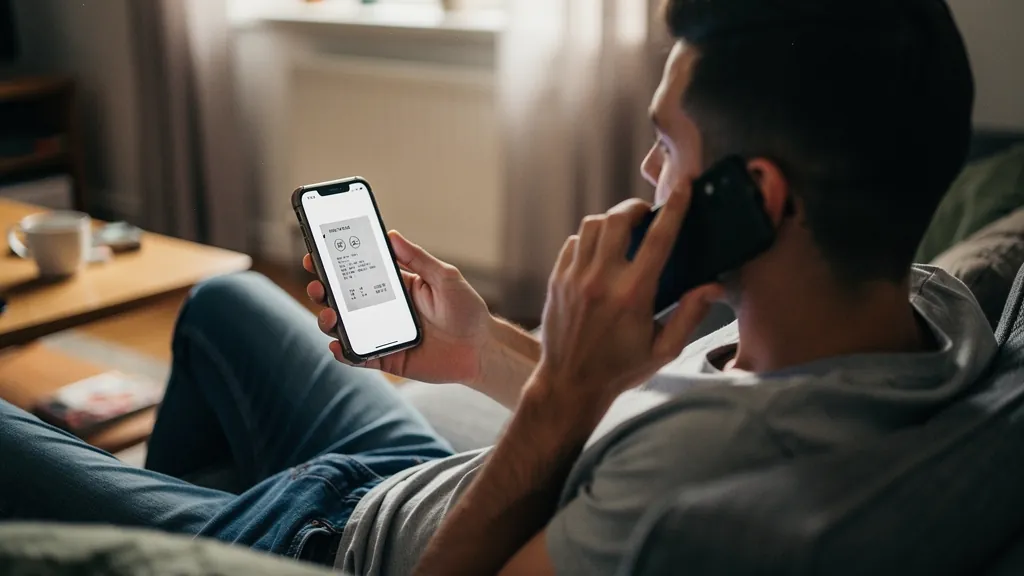
Some rideshare crashes involve a driver who has no insurance, or too little. In California the rideshare company has its own uninsured and underinsured motorist duty to passengers. Under SB 371 (Stats. 2025, ch. 314), effective January 1, 2026, the company must provide uninsured and underinsured motorist coverage of $60,000 per person and $300,000 per incident from the moment a passenger enters the driver's vehicle until the passenger exits. The statute says that coverage comes ahead of other applicable uninsured or underinsured coverage and is solely the company's obligation (Pub. Util. Code § 5433(b)(2)). Two details matter. First, the coverage applies only while a passenger is in the vehicle, so it does not help a pedestrian or the driver of another car. Second, you may hear an adjuster compare the new figures to older ones. Moe reads the official text and works from that, not from what an adjuster says over the phone. The statute also says a rideshare policy cannot depend on a personal auto policy first denying a claim (Pub. Util. Code § 5433(d)). If a rideshare policy the driver bought to meet these rules has lapsed or ceased to exist, the company must provide the required coverage beginning with the first dollar of a claim (§ 5433(e)). Those two rules matter when each insurer says the other should pay first. If a hit-and-run driver caused the crash, your own policy's uninsured motorist coverage can apply under different rules, including a short reporting window. Call Moe quickly so he can check those conditions before anything is missed.
The trip record and other proof that can disappear
The strongest evidence in a rideshare case often sits on a server you cannot reach. The app records when the driver logged on, when the request came in, when the driver accepted, where the car traveled and when the trip ended. That record can settle the question that decides how much coverage applies. It may also show how fast the car was moving, and whether the driver was handling the phone or chasing the next fare. Moe sends a written preservation demand to the rideshare company and the driver as soon as you hire him, and he follows with requests for the records. If you were a passenger, screenshot your receipt, the driver's name and photo, the car's make, model and plate, and the trip route from your own phone before you do anything else. Keep the app. Do not delete the trip. Other proof matters too. Dashcam video from the rideshare car or another driver can show the moment of impact. Nearby businesses and city traffic cameras may record over their footage in days or weeks, so a quick request helps. The police or CHP report records who was cited, the witnesses and where the cars ended up. Medical records show what the crash did to your body, and a gap in treatment gives an adjuster a talking point. If you can safely do so at the scene, take photos of the cars, the plates, the road and your injuries, and write down witness names. If you cannot, say so, and Moe will work from what the reports and records show.
Who else can be responsible, and why the minimums are not a cap
The driver is the first name on most claims, but not always the only one. The company that arranged the ride may be responsible, and so may the owner of another vehicle, a company that employed another driver, or a city or agency that created a dangerous road condition. Moe does not guess at these on a first call. He asks for the reports, the trip record and the policies, and he follows the facts. The insurance amounts above are floors that the law requires. They are not a ceiling on what a company may owe. California's rideshare insurance statute says it does not limit a rideshare company's liability arising out of an automobile accident involving a participating driver in an action for damages against the company above the required insurance coverage (Pub. Util. Code § 5433(f)). Whether a company owes more than its policy in a given crash depends on the facts and the law that applies, and Moe will not predict that before he sees the file. If a government vehicle or a dangerous road condition was part of the crash, a different set of rules applies. A claim against a public entity needs a written government claim within six months of the injury (Gov. Code § 911.2), which is far shorter than the time you have against a private company. If the entity rejects the claim in writing, you generally have six months from that notice to file a lawsuit (Gov. Code § 945.6). Tell Moe about any bus, city truck, patrol car or road defect on the first call so he can start the clock check on day one.
Deadlines and shared fault after an Uber or Lyft crash
California gives you two years from the date of the crash to file a lawsuit for personal injury or wrongful death caused by someone's negligence (Code Civ. Proc. § 335.1), and three years for damage to a vehicle or other property (Code Civ. Proc. § 338(c)(1)). A claim against a public entity is much shorter, as the last section explains. Two years is not a date to aim for. Evidence, memories and the app's records fade long before it arrives. Fault is the other fight. California follows pure comparative negligence, so you can recover even if you were partly at fault, and your award is reduced by your percentage of fault (Li v. Yellow Cab Co. (1975) 13 Cal.3d 804). Rideshare insurers know that rule, and they use it. A passenger may be told to have worn a seat belt. A pedestrian may be told to have used another crosswalk. A cyclist may be told to have ridden farther from the curb. A recorded statement to an adjuster before you have a lawyer is one of the easiest ways to hand them that argument. Past results do not promise a similar outcome, and Moe will not predict one. What he can promise is that he will look at every policy and every party before telling you what he thinks your claim is worth.
How a rideshare case works with Moe from anywhere in California
The first step is a call or a text. Moe is available 24 hours a day, and the review costs nothing. Tell him what happened, where you are being treated and whether anyone from the rideshare company or an insurer has already contacted you. You do not need a police report number to start. In the first days, Moe sends preservation letters, requests the crash report from the CHP or the local police agency that wrote it, and begins to identify every policy that could apply. If anyone was hurt or killed, or property damage went over $1,000, the DMV also requires a Report of Traffic Accident Occurring in California (SR 1) within 10 days, and Moe will walk you through it. You send photos, bills and insurance cards by phone or email, and anything that needs a signature can be handled electronically. You are not asked to travel to Los Angeles, and Moe does not promise visits to your home or hospital room. As treatment continues, Moe keeps in touch by call and text. He deals with the adjusters so you do not have to repeat your story to strangers. Moe handles every case himself, so the person who takes your first call is the lawyer working your claim. The fee is a contingency fee. You pay no fee unless we win. If you or someone you love was hurt or killed in a crash involving an Uber or Lyft anywhere in California, call (323) 716-1992. Se Habla Español.
Where Moe works with clients
The office is in downtown Los Angeles. Moe works with clients everywhere else in California by phone, text and email. Pages for specific areas:
Los Angeles County
Hurt in Los Angeles? See the Los Angeles uber / lyft accidents page.
Frequently Asked Questions
Yes. Moe works with clients anywhere in California by phone, text and email. His office is in downtown Los Angeles, and you never have to travel there to hire him. Documents, photos and records move by email, and you speak with Moe himself. He does not promise home or hospital visits, and the work does not depend on them.
It depends on the app phase and on who caused the crash. From ride acceptance until the ride is complete or the trip ends in the app, whichever is later, rideshare coverage must pay first at $1,000,000 (Pub. Util. Code § 5433(b)(1)). Other drivers' policies and uninsured motorist coverage may also apply. Moe reviews every policy before naming anyone.
You may have claims against the driver, the company, or both, depending on the facts. The law requires the company to keep minimum insurance, and it says that minimum does not limit the company's liability above it (Pub. Util. Code § 5433(f)). Moe reviews the trip record before deciding who to name.
Different coverage applies. With the app on and no ride accepted, the rideshare coverage must pay first at no less than $50,000 per person and $100,000 per incident for injury and death, plus $30,000 for property damage, and the company must also carry at least $200,000 per occurrence in excess coverage (Pub. Util. Code § 5433(c)).
It can if you were a passenger. Since January 1, 2026, the company must provide uninsured and underinsured motorist coverage of $60,000 per person and $300,000 per incident while a passenger is in the car (Pub. Util. Code § 5433(b)(2)). It does not cover pedestrians or other drivers.
You generally have two years from the crash to sue for personal injury or wrongful death (Code Civ. Proc. § 335.1). If a public entity is involved, a written claim must be presented within six months (Gov. Code § 911.2). Do not wait for the last day, because the app records and other proof can disappear.
Yes. California follows pure comparative negligence, so your award is reduced by your percentage of fault instead of being barred (Li v. Yellow Cab Co. (1975) 13 Cal.3d 804). Do not give a recorded statement to a rideshare insurer before you talk to a lawyer.
Get medical care and report the crash to the police or CHP. If you can, screenshot your trip receipt and the driver's details, and photograph the cars, plates and scene. Do not delete the app. Do not give a recorded statement. Then call Moe.
Nothing up front. Moe works on a contingency fee, so you pay no fee unless we win. The case review is free, available 24/7, and Se Habla Español. Ask Moe on the first call how costs are handled so there are no surprises.
No. Moe represents people hurt in motor-vehicle crashes anywhere in California. Most of the work happens by phone, text and email, so you never have to come to the downtown Los Angeles office. The case review is free, and you pay nothing unless we win.
More statewide help
Authoritative resources: California Courts, self-help for injury claims · Cal. Code Civ. Proc. § 335.1, 2-year deadline · California DMV · California Office of Traffic Safety, crash data
Sources & local resources
- Public Utilities Code § 5433 · California Legislative Information
- Public Utilities Code § 5434 · California Legislative Information
- Vehicle Code § 16056 · California Legislative Information
- Code of Civil Procedure § 335.1 · California Legislative Information
- Code of Civil Procedure § 338 · California Legislative Information
- Government Code § 911.2 · California Legislative Information
- Government Code § 945.6 · California Legislative Information
- Transportation Network Companies · California Public Utilities Commission
- Report of Traffic Accident Occurring in California (SR-1) · California DMV
- Li v. Yellow Cab Co. (1975) 13 Cal.3d 804 · Justia
Talk to Moe Abdallah directly
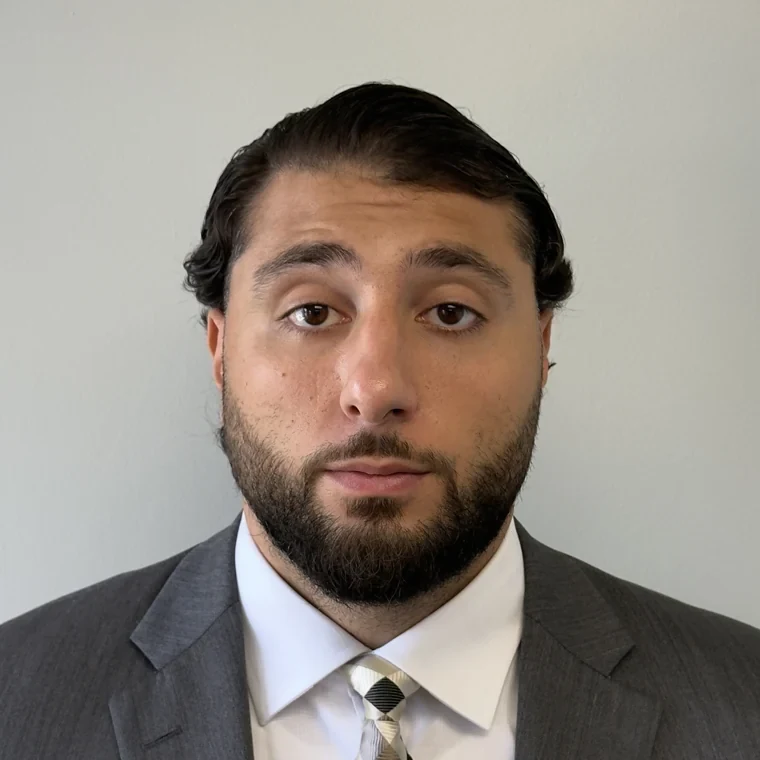
When you call Moe Abdallah Law, you work directly with your attorney and get straight answers, not a call center. Moe takes on the insurance companies and fights for the maximum, and he keeps you updated at every step. The consultation is free and you pay nothing unless he wins.
Real recoveries for real clients
Real recoveries from an attorney who takes your case personally and fights for the maximum.
Rear-ended by a driver who fled, and other firms turned her down. Moe opened an uninsured-motorist claim, proved she could not have been at fault, and secured the full policy limit.
The at-fault insurer offered just $900 for a back injury on top of pre-existing problems. Moe guided his treatment, tendered the at-fault limit, then opened an underinsured-motorist claim to reach $75,000 total.
Past results do not guarantee a similar outcome. Every case is different and depends on its own facts.
Talk to a lawyer today, free
Tell us what happened. We respond fast, usually within the hour, and there's no fee unless we win. Available 24/7 · Se Habla Español.
Hurt anywhere in California? Moe works with clients statewide by phone and email, so you never have to come to LA.
Call (323) 716-1992